
The Ella Toulouse Foundation for Adolescent and Young Adult Cancers, under the aegis of Fondation ARC, grew out of one family’s journey. We are French-American family with four children. Our happy lives were turned upside down at the beginning of 2020, when our daughter Ella, 23 years old, was diagnosed with a rare and incurable cancer. In order to move forward with our personal tragedy and make something positive come out of it, we decided to commit ourselves to supporting and funding medical research on Adolescent and Young Adult (AYA) cancers.
Alongside the Ella Toulouse Foundation, we also created SMARCB1 Hope, a non-profit association dedicated to providing information on cancers like Ella’s, which are all linked to the mutation of one single gene: SMARCB1. The association provides information on these cancers, accompanies patients and encourages international cooperation among researchers. SMARCB1 Hope does not finance research directly, but actively supports the Ella Toulouse Foundation.
Cassie & Jean-Baptiste Toulouse, Founders
Mission
The Ella Toulouse Foundation for Adolescent and Young Adult Cancers (AYA cancers) selects and funds medical research programs to better understand and treat these cancers, with a particular focus on solid tumors and the role of epigenetic mechanisms * in their development and growth.
Despite increasing awareness of AYA cancers, oncology research in this transitional age group remains fragmented and underfunded, and survival improvements lag behind those seen in pediatric and older patients.
There is an urgent need for new therapeutic approches for AYA cancer patients, who remain vastly underrepresented in cancer research and clinical trials. Your support can truly make a difference. And rest assured we will keep you informed of concrete advances that your generosity will enable.
* Epigenetic mechanisms are modifications in DNA which regulate the expression or disactivation of different genes. These mechanisms play a major role in the development of many different cancers, including SMARCB1-deficient tumors.
Research Projects
The Ella Toulouse Foundation and the ARC Foundation jointly launched their first call for research proposals on cancer in Adolescents and Young Adults (AYA) in October 2025. These first grants were awarded in late May 2026.
Modeling treatment-resistance mechanisms in leukemias of adolescents and young adults
Vahid ASNAFI, Institut Necker-Enfants Malades (Paris)
T-cell acute lymphoblastic leukemia (T-ALL) is a rare and aggressive blood cancer with still-limited cure rates, especially in the case of relapsing or treatment-refractory disease. Among children, adolescents experience a markedly worse outcome. The team’s preliminary data identified that TAL1-overexpressing T-ALLs are particularly resistant to first-line treatment, notably in AYA patients. The project will perform a deep analysis using multiple approaches, at single-cell resolution, to compare TAL1+ AYA and pediatric leukemia samples in order to uncover the molecular basis of this age-related resistance and identify candidate therapeutic drugs. These will be tested in preclinical models for efficacy and toxicity. The team hopes the work will both reveal resistance mechanisms that could extend to other AYA cancers and identify clinical strategies to improve survival in this specific leukemia subtype.
Targeting aberrant metabolic pathways in adolescent / young-adult high-grade gliomas by modulating inter-organelle communication
Arthur BASSOT, Centre de recherche en cancérologie de Lyon
High-grade gliomas (HGG) are aggressive brain tumors affecting adolescents and young adults (AJA), for whom treatment options remain limited to surgery, radiotherapy and chemotherapy. Because these patients are still developing, reducing the long-term toxicity of treatment is particularly important. Our research focuses on communication between mitochondria, the cell’s energy producers, and the endoplasmic reticulum, a major cellular factory. These organelles interact through specialized contact sites called MERCs, which help cells adapt to stress and regulate their metabolism. We hypothesize that MERCs support the survival, aggressiveness and treatment resistance of high-grade glioma cells in young patients. We will identify the key proteins present at these contact sites and test whether targeting them can make tumor cells more sensitive to current therapies such as temozolomide, ONC201 and radiotherapy. Our findings will be validated in 3D brain organoids and mouse models, with the long-term goal of identifying new, more precise therapeutic strategies.
Biological determinants of therapeutic resistance in synovial sarcoma in adolescents and young adults
Laura BROUTIER, Centre de recherche en cancérologie de Lyon
Synovial sarcoma is a rare cancer mainly affecting adolescents and young adults (AYAs), who — despite having the same tumors and receiving the same treatments as children — have significantly worse survival, for reasons that remain unexplained. The team has built one of the first patient-derived organoid biobanks for synovial sarcoma, spanning several ages ; these tumor “avatars” faithfully reproduce the key features of the original tumors. Using this biobank, the project will perform single-cell transcriptomic and epigenomic profiling before and after chemotherapy to identify resistant cell populations and their vulnerabilities, with the goal of designing rational combination therapies. Beyond synovial sarcoma, the work is expected to provide a broader framework for studying age-specific cancer biology and to support more personalized treatment strategies via organoid-based clinical trials.
About Ella
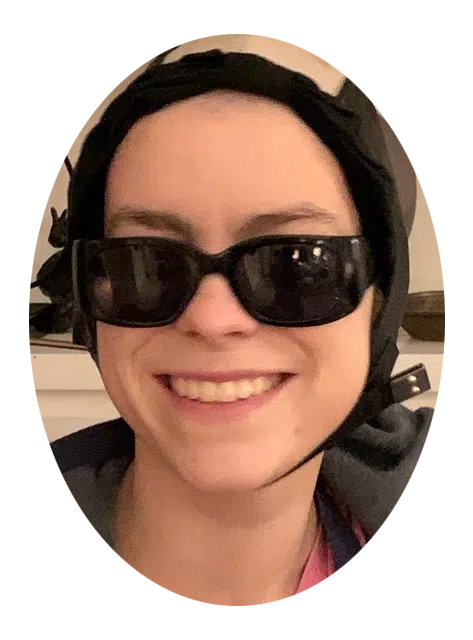
Ella came into this world on October 8, 1996, full of joy and gusto and a sprinkle of mischief. After a happy and carefree childhood, she developed into an extraordinary and original young woman, always remaining true to herself and her many intriguing and esoteric passions. Ella had a thirst for learning and inexhaustable curiosity which inspired many on her circuitous path in France, the US, the UK, and Japan.
Ella was an artist through and through, though never claimed to be one. Intellectually gifted, she was never boring. Her original and active mind permeated her entire way of being, from her quirky style and dress to her deep thinking and solid principles, to the dignity and love she showed during her illness and when faced with the ultimate.
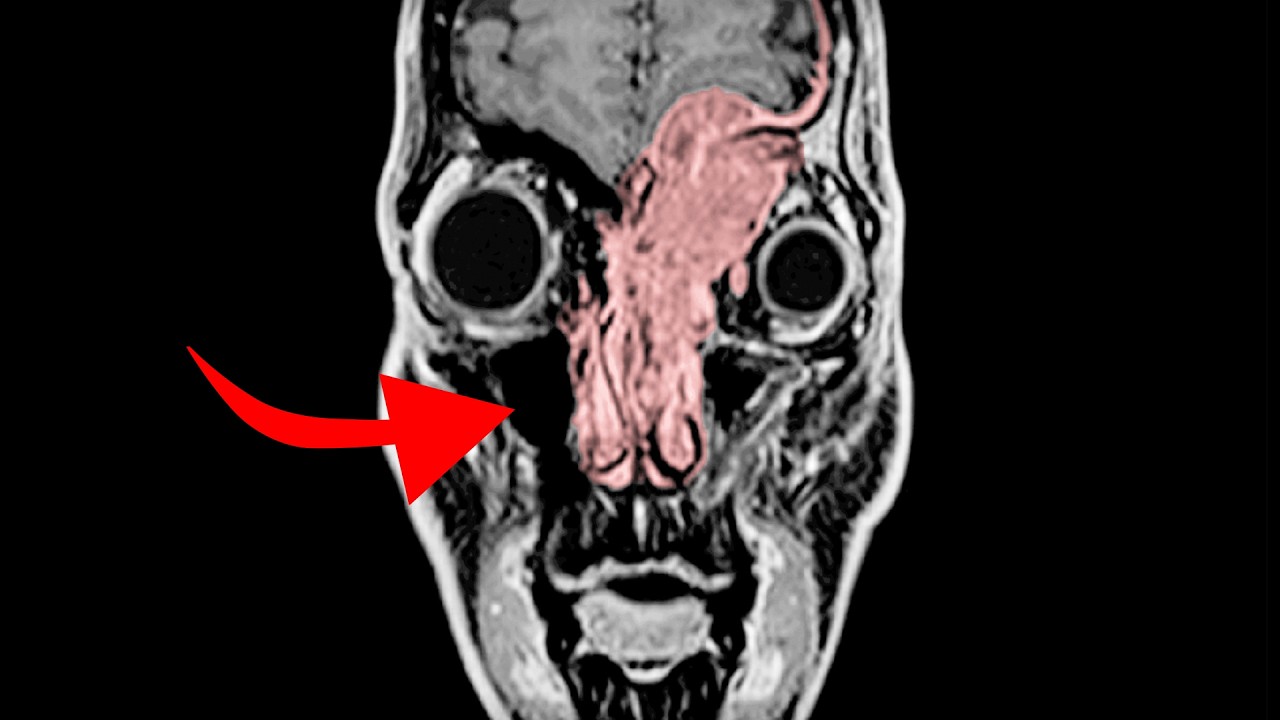
Ella’s life was brutally cut short at the age of 23 by an extremely agressive cancer that started in her ethmoid sinus and quickly took over her brain: SMARCB1-deficient sinonasal carcinoma (SDSC). Her cancer was inoperable and proved to be entirely resistant to the standard of care: chemotherapy and radiotherapy.
Ella slipped away on April 24, 2020, barely three months after receiving her diagnosis.
Learn more about Ella’s illness
Support Adolescent and Young Adult Cancer Research
Contact US
Fondation ARC – ELLA TOULOUSE Foundation
9 rue Guy Moquet – BP 90003
94803 Villejuif Cedex France
+ 33 (0)6 20 22 63 30
cassie@smarcb1hope.org
fet@fondation-arc.org